Getting to Know Hearing Aid Alternatives: A Guide for Seniors to Improve their Listening Ability
Loss of hearing is a condition that can affect the quality of life in a person and may interfere with anything from socializing to personal safety. Among old people especially, hearing aids serve as powerful instruments used for enhancing communication which in turn raises general happiness levels. This handbook aims at teaching you about these devices so that you can make up your mind based on knowledge.
1. Understanding the Loss of Hearing
When one or more parts of an ear or ears have a problem that makes it hard for them to hear sounds, they are said to have lost their sense of hearing. Ageing, exposure to loud noises, infections, heart disease and other health complications are some causes of this condition. Early detection is key because treatment becomes more effective; for example, using a hearing aid.
2. Types of Hearing Aids
Different kinds of hearing aids come in various shapes and sizes due to different features addressing different types of hearing loss:
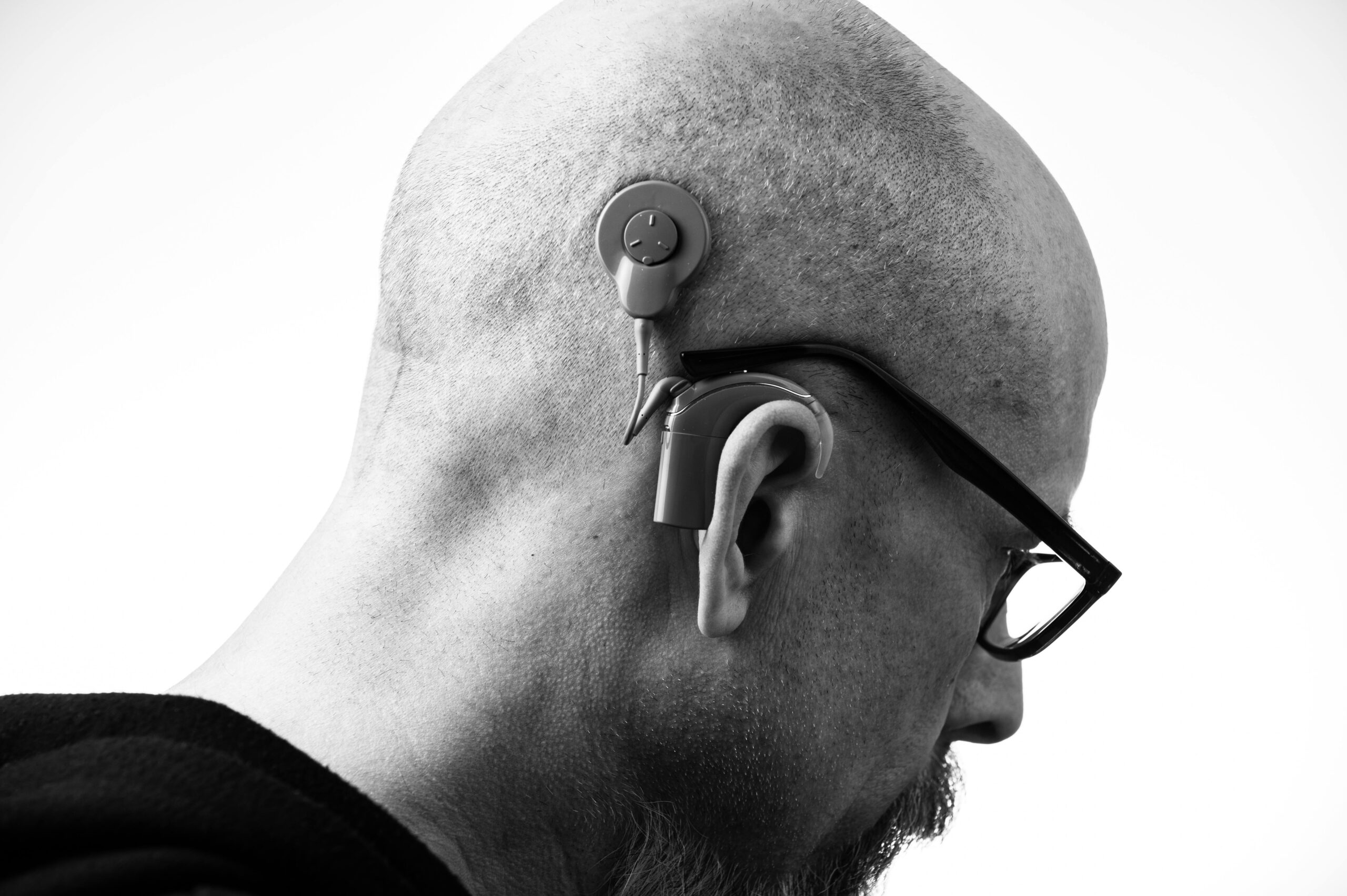
Behind-The-Ear(BTE): These are made up mainly by two components namely: a hard plastic case worn behind the ear connected through clear tubing to an earmold that fits inside the outer part (pinna) of your ear. They’re suitable for all ages and almost any hearing loss.
In-The-Ear(ITE): These fit completely within an individual’s outer ear; hence can be used when someone has mild or severe hearing impairment.
In-The-Canal(ITC)and Completely-In-Canal(CIC): These ones are custom-made so as to fit either partially or deeply into the canal. They are less noticeable than other types and are recommended mostly for adults with mild-to-moderate deafness.
Receiver-In-Canal(RIC): They work similarly like BTEs but with their speaker being built into an open dome or custom earmold rather than residing within itself thus reducing its visibility and size.
3. Key Aspects to Consider
Below are features that can make hearing aids more effective in aiding your listening:
Directional Microphones: These help one hear better when there is much background noise around.
Rechargeable Batteries: Some new models come with built-in rechargeable cells thus eliminating frequent battery changes.
Telecoils: This feature allows for easier hearing of telephone conversations.
Wireless Connectivity: It makes it possible for a person with these devices to connect them straight away to their smartphones, TVs and other gadgets thereby enhancing their experience.
Noise Reduction: Different levels of noise suppression are offered in order to improve comfort while listening during noisy situations.
4. How to Choose The Right One
The following steps will guide you towards selecting the best hearing aid for yourself:
Hearing Test: Begin by going through a hearing test which should be conducted by an audiologist. This will help determine the nature and extent of your problem.
Considerations Based on Lifestyle: Take into account what aspects about life affect your ability to listen most or lead to situations where you find it hard understanding people talking around you.
Budgeting: Note that prices range greatly; high cost does not always correspond with suitability for meeting individual needs better than lower priced alternatives.
Trial Period: There are many places offering trial periods prior sale so if they don’t work out as expected then return them back within given time limit without any charge incurred on buyer’s side.
5. Getting Used to Your Hearing Aids
It takes time before one gets used to wearing these things therefore here are some tips which may prove helpful during this period:
Start Slowly – For instance begin wearing them few hours per day then increase gradually over time until all waking hours covered eventually.
Practice- Engage in conversations with family members or friends where multiple voices can be heard at once so that ability distinguish different sounds is enhanced.
Regular Check-ups: See your hearing health professional regularly so they can adjust the settings on your hearing aids.
6. Maintenance and Care
Taking care of your hearing aids properly can help them last longer and work better:
Clean them every day: Use a dry, soft cloth to wipe off wax and moisture.
Have them serviced often: Get checked out by a professional whose job it is to do that for you!
Keep them dry and cool: If you’re not wearing your hearing devices, store them somewhere with these conditions.
Now equipped with this complete guide to hearing aids, you are able to choose the right device that will improve your life quality. Know about different types; learn features; get tips for selecting and using – everything presented here was made so as not just inform but empower too! If at any point during reading this article or after finishing it altogether one feels like exploring options more, please browse through our website as purchasing here would greatly support us!

I’m Anita McIsaac, a 36-year-old bank teller from Kansas who enjoys managing SeniorsDeal.com in my spare time. Married with a 13-year-old son, I cherish family game nights and weekend soccer matches. My passion is helping seniors make informed choices, aiming to make retirement smoother and more enjoyable. I love connecting with our readers and sharing practical advice.