Safety is the most important thing for elderly individuals who want to live on their own but securely. We become more accident-prone inside our houses as we grow older since our ability to move and perceive depreciates. There are certain modifications that can be made by seniors in order to create an environment that is safe from hazards. The following are some useful recommendations with regard to home safety:
1. Get Rid of Tripping Hazards: Amongst senior citizens, falls are the number one cause of injuries. Securing loose rugs or removing them completely can help prevent falls or slips. Walkways should be kept free from clutter and any other obstruction that may block them while non-slip mats should be used where spills could make floors slippery such as bathrooms or kitchens.
2. Improve Lighting: Good lighting helps prevent falls and enables the elderly to see where they are going easily. Bright lights should be installed near entrances, over staircases and in hallways plus they must have switches that can easily be reached even by someone in a wheelchair or using crutches. Bedrooms, bathrooms and corridors need night-lights which make navigation possible when it is dark.
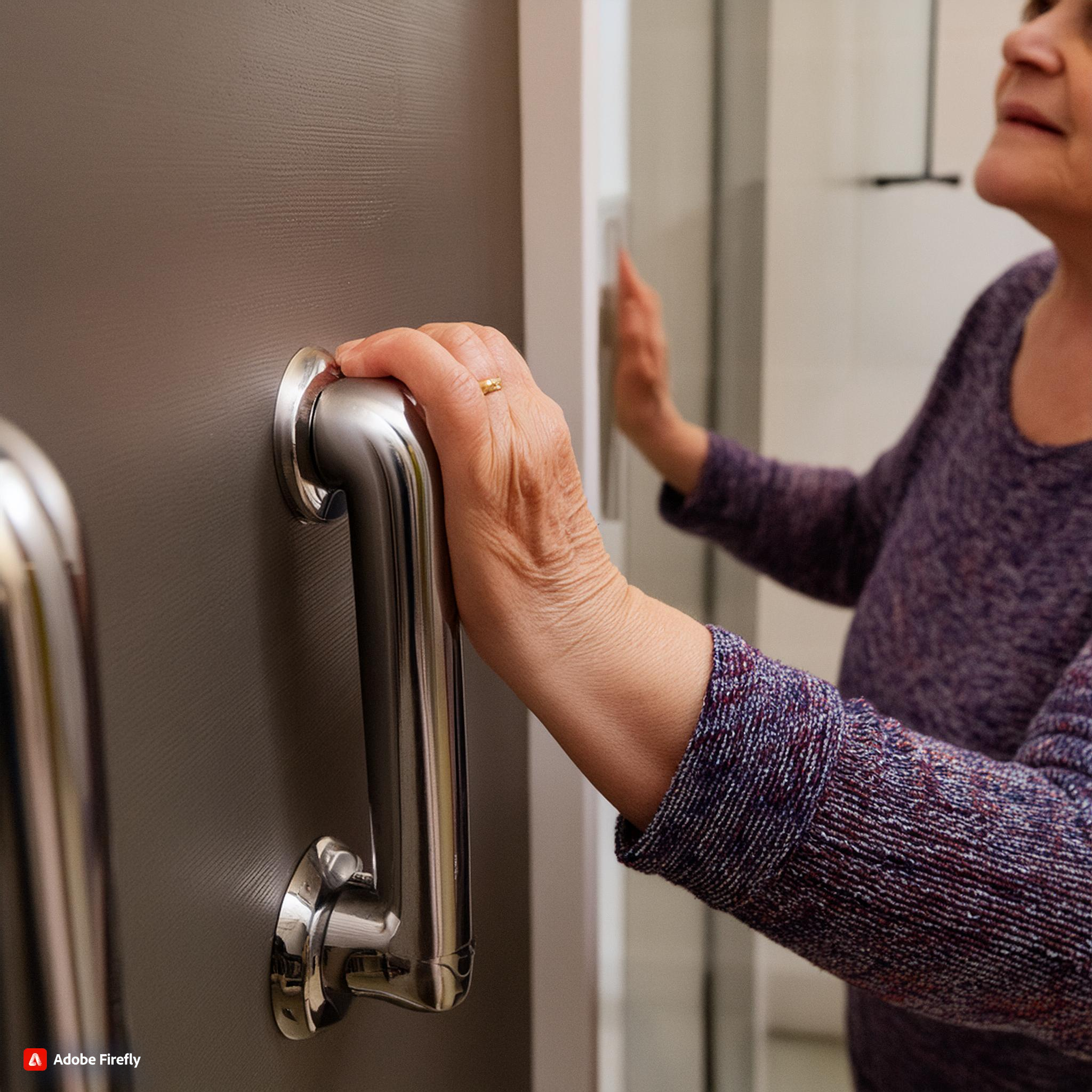
3. Install Safety Bars and Handrails: Extra support can be provided by handrails and grab bars especially in places where balance is crucial like along staircases or inside bathrooms. These should however not just be fixed anywhere but securely attached onto walls so that they don’t come off when weight is applied on them.
4. Rearrange your Home for Easy Accessibility: It’s advisable not to keep everyday items too high up where stretching will be required neither should they be placed too low down meaning bending shall have to take place every time one wants something; all this creates unnecessary risk for older people who may already have weak muscles or arthritis problems thus making movement difficult sometimes leading into pain during joint flexion movements like sitting down and standing up from chairs or beds. Furniture should be arranged in such a way that there are clear paths between rooms.
5. Use of Assistive Devices: Reacher grabbers can be used by aged individuals to get hold of objects without having to bend over. Arthritis patients find lever-style door handles more convenient than knob ones. Shower chairs combined with handheld showers make bathing safer and comfortable for them too.
6. Check Smoke Detectors and Carbon Monoxide Alarms: Smoke detectors as well as carbon monoxide alarms need to be inspected often so as to ensure they are functioning properly; batteries must also be changed during these checks or when necessary. Strobe light or bed shaker fitted detectors may come in handy if one’s hearing is impaired.
7. Secure Emergency Numbers: Emergency numbers should not be written on just one piece of paper then placed somewhere within the house because it might get lost thus rendering them useless at times like that when they are most needed; instead, write various copies which should be put different points around the home where any person can easily see them whenever required urgently eg: kitchen fridge door, living room wall near telephone outlet etc. Local police contact number(s), fire department helpline number(s), neighbor’s cell-phone no(s) plus several relatives’ phone numbers, should all feature in this list; additionally wearable alarm systems could also serve this purpose by providing immediate assistance upon pressing their panic buttons.
8. Appliance Maintenance: To avoid safety hazards resulting from breakdowns of domestic appliances, regular checks must be done on them i.e., cleaning out lint filters found within dryers after every use while worn-out cords need replacement besides ensuring annual servicing for heating systems among other things.
9. Home Temperature Regulation: Keeping warm but comfortable temperatures around living spaces is equally important during cold seasons; however extreme hotness or coldness inside houses could prove dangerous hence there need for proper insulation as well as usage of air conditioners and fans where necessary. Space heaters should be avoided since they pose fire risks especially when left unattended.
10. Secure Rugs and Carpets: All rugs or carpets should be fixed firmly onto floors so that nobody slips on them accidentally; this can easily be achieved by using double-sided carpet tape along with non-slip backing materials which hold these items securely in place always.
By adhering to these suggestions, elderly individuals will be able to reduce potential dangers while continuing with their independent living within homes. It’s also good for one relative or friend who cares about them regularly checking up on the senior’s house just in case anything changes without notice. Safety preparations do not only involve physical adjustments but rather also encompass establishing supportive networks that can react promptly during emergencies.

I’m Anita McIsaac, a 36-year-old bank teller from Kansas who enjoys managing SeniorsDeal.com in my spare time. Married with a 13-year-old son, I cherish family game nights and weekend soccer matches. My passion is helping seniors make informed choices, aiming to make retirement smoother and more enjoyable. I love connecting with our readers and sharing practical advice.