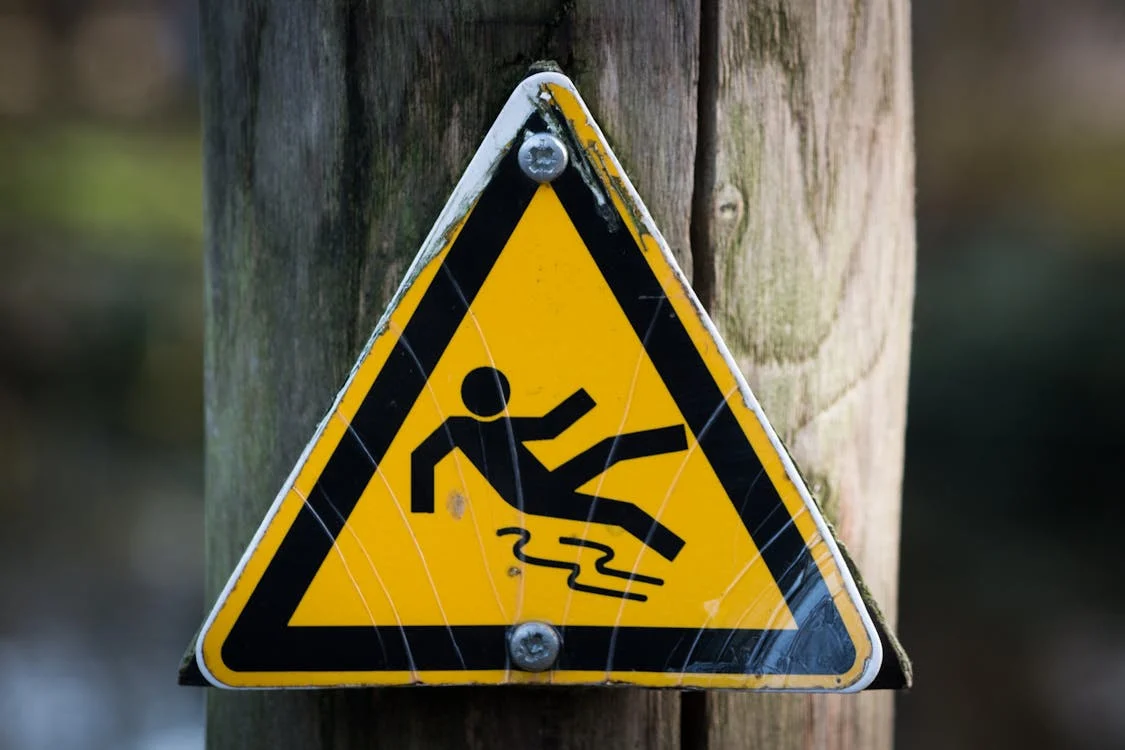
Essential Fall Prevention Tips for Seniors
The possibility of tripping over and restricted mobility are some of the biggest concerns among older adults. However, a lot of these accidents can be prevented through simple safety modifications within their homes. In this article we will give you some useful pieces of advice on how to minimize fall risk; thus, enabling seniors to lead independent lives while staying safe.
1. Identify the Hazards
Understanding what causes slips is important as it helps us find solutions from the root cause. Below are common factors that contribute towards such incidents:
Lack of physical activity – Sedentary lifestyle leads to weak legs and poor balance.
Vision challenges – Poor eyesight makes it difficult for one to notice barriers or uneven surfaces.
Medications – Some drugs may induce dizziness or dehydrate the body.
Unsafe environment – Falling objects, slippery floors and poor illumination are recipe for disaster.
2. Maintain Exercise Regimes
Physical routines must be followed religiously if falls have to be kept at bay. Workouts like walking, tai chi or water aerobics help enhance stability, strength, coordination and flexibility:
Get clearance from your doctor before participating in any new exercise program.
For those with severely limited movement options due to illness/injury consult a physical therapist who will design suitable exercises targeting specific areas of concern.
3. Suitable Footwear Should Be Worn Always
Your choice of shoes may significantly influence chances of falling:
Avoid those with smooth soles instead opt for non-skid treads which offer good traction on different surfaces.
Ensure they fit well i.e., snug but not tight fitting with adequate support structure around ankles/heels etc.
4. Adjust Your Home Environment Accordingly
Making necessary adjustments around your house could greatly reduce likelihood of tripping:
Remove trip hazards i.e., secure loose rugs, tape down cords across walkways and clear clutter from pathways etc.
Install grab bars/rails especially near toilet/shower areas in the bathroom as well as along staircases.
Improve lighting – All rooms should be adequately illuminated so that objects are visible even at night; fit nightlights in hallways, bathrooms and bedrooms.
Non-slip mats should always be used on bathtub floors or shower stalls where water tends to accumulate.
5. Get Regular Eye and Ear Checks
Frequent tests are necessary for these two vital senses since they contribute greatly towards balance maintenance and situational awareness:
Update optical prescriptions whenever required so that glasses/contacts aid clear vision.
Hearing impairments can interfere with spatial perception and should be corrected through routine examinations.
6. Assess Your Medications
Consult a healthcare provider about the drugs you take:
Talk over possible side effects like dizziness or sleepiness that may heighten chances of falling accidentally.
Keep hydrated because lack of enough water in body system also affects equilibrium and attentiveness levels.
7. Use Assistive Devices as Recommended
To know which assistive tools can help avoid falls consult with your physician/physiotherapist:
Walking aids such as walkers/canes may need to be considered where necessary.
If living alone, personal emergency response systems also known as medical alert systems will come in handy during times when nobody is nearby to offer assistance following an accidental slip.
8. Educate Yourself Plus Others
Promote awareness creation within your community regarding this matter:
Attend workshops organized by local health departments/community centers on fall prevention strategies etc.
Stay updated about latest safety tips applicable in different environments through reading books/articles related to fall protection measures etc.
One does not have to resign themselves accepting falls as inevitable part of aging process. Therefore, keeping fit through exercises, wearing suitable footwear, modifying our homes or seeing doctors more often could significantly lower risks associated with tripping accidentally. These steps will not only make you secure but also independence minded person who doesn’t require constant monitoring wherever they go. Always remember that present actions determine future outcomes so act now by implementing these ideas for safer living spaces.

I’m Anita McIsaac, a 36-year-old bank teller from Kansas who enjoys managing SeniorsDeal.com in my spare time. Married with a 13-year-old son, I cherish family game nights and weekend soccer matches. My passion is helping seniors make informed choices, aiming to make retirement smoother and more enjoyable. I love connecting with our readers and sharing practical advice.