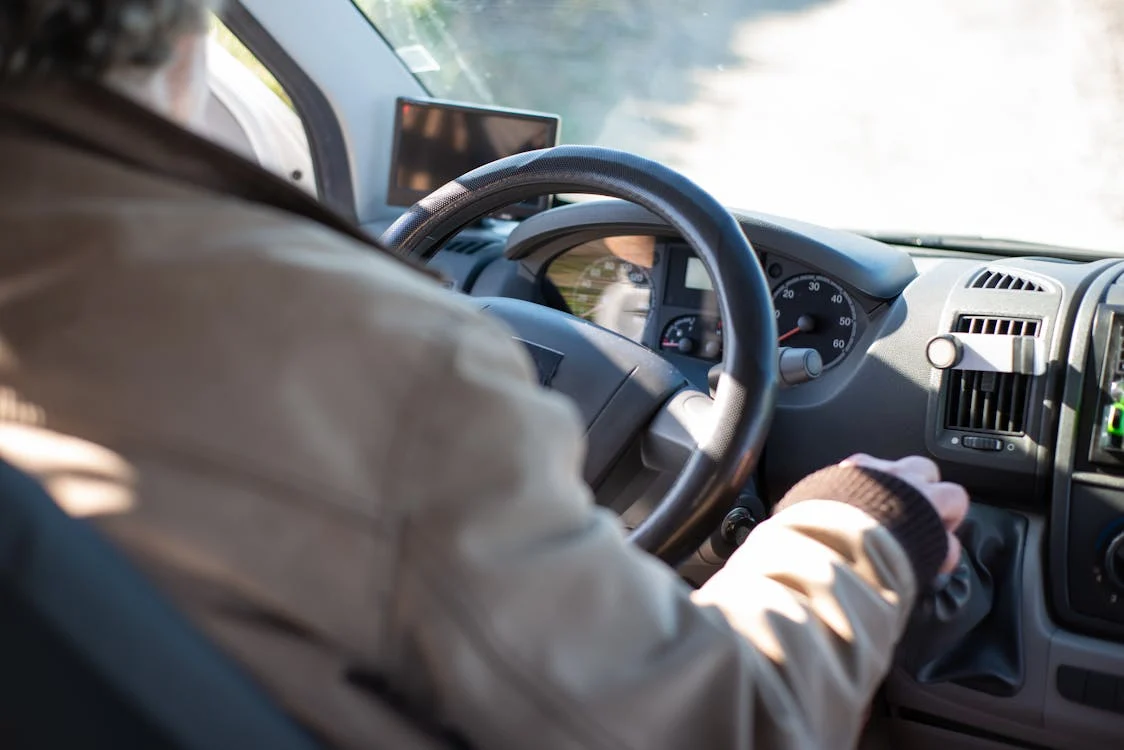
Senior Driving Safety: How to Stay Safe on the Road
Introduction
Many seniors use driving as a means of maintaining their independence; they can keep in touch with friends, pick up essential supplies and maintain an active life. However, there are some physical and cognitive changes that come with age which can affect driving capabilities. These tips will go a long way in assisting senior driving safety while on the road.
Understanding the Challenges
Aging affects vision, hearing, reflexes, and cognitive function among other aspects of driving. These challenges must be acknowledged so that one takes appropriate steps.
Regular Health Check-ups
For purposes of driving safely it is important for drivers to see their health care providers regularly. Eye examinations help ensure clear vision or updating glasses if necessary. They should also have their hearing tested to check for any loss that might affect ability to hear horns, sirens or other sounds important while driving.
Vehicle Maintenance
It’s important to keep your vehicle in good condition for safety purposes. Regularly inspect brakes, tires, lights and wipers. Make sure that all safety mechanisms such as airbags or seat belts are working properly.
Adapting Your Vehicle
Consider customizing your vehicle for a better fit. This may involve fitting larger mirrors, seat cushions for improved line of sight or pedal extensions for easier access. There are many cars available which have additional safety features like reverse cameras, lane departure warnings and auto emergency braking among others which significantly enhance safety.
Safe Driving Practices
Safe driving practices are crucial for everyone but more so for older adults because they may be able to do less physically and mentally than they think they can – here are some pointers:
1) Avoid Distractions – Stay focused on what you’re doing while behind the wheel; don’t talk on the phone or text while driving.
2) Plan Your Routes – Choose routes you feel comfortable on with less traffic; avoid night-time travelling where possible and rush hours.
3) Follow the Speed Limit – It’s important to adhere to speed limits; they are there for a reason. Driving too quickly or slowly can be dangerous.
4) Keep Safety Distances – Give enough space between your vehicle and the one ahead so that you have plenty of time to stop.
Know Your Limits
It is important that people know their personal limitations and respect them. If driving at night or in bad weather makes one uneasy, they should avoid those situations. They may also want to consider other modes of transportation such as public transit, ride shares, or asking a family member or friend for a lift.
Taking a Driving Course
There are numerous organizations offering great driving courses specifically tailored for elderly drivers. Such classes can teach seniors valuable tips on how to remain safe while behind the wheel thus boosting their confidence.
As an elder driver who wants to stay safe, you should acknowledge and address some unique challenges associated with ageing. Regular health checks will help you in maintaining your car, adopting safer driving skills and understanding your limitations which leave you free to continue using this useful mode of transport that allows you independence as well as choice. Remembering our goal is senior driving safety along with confidence while driving!

John Miller, a 63-year-old ESL Instructor and RSVP Coordinator living in Iowa, brings decades of experience to SeniorsDeal.com. He focuses on helping seniors navigate retirement and save money. John enjoys exploring Iowa’s scenic trails, gardening, and spending time with his grandchildren. He has a passion for classic cars and enjoys reading historical novels. His active lifestyle reflects the vibrant, engaged life he promotes through his writing.