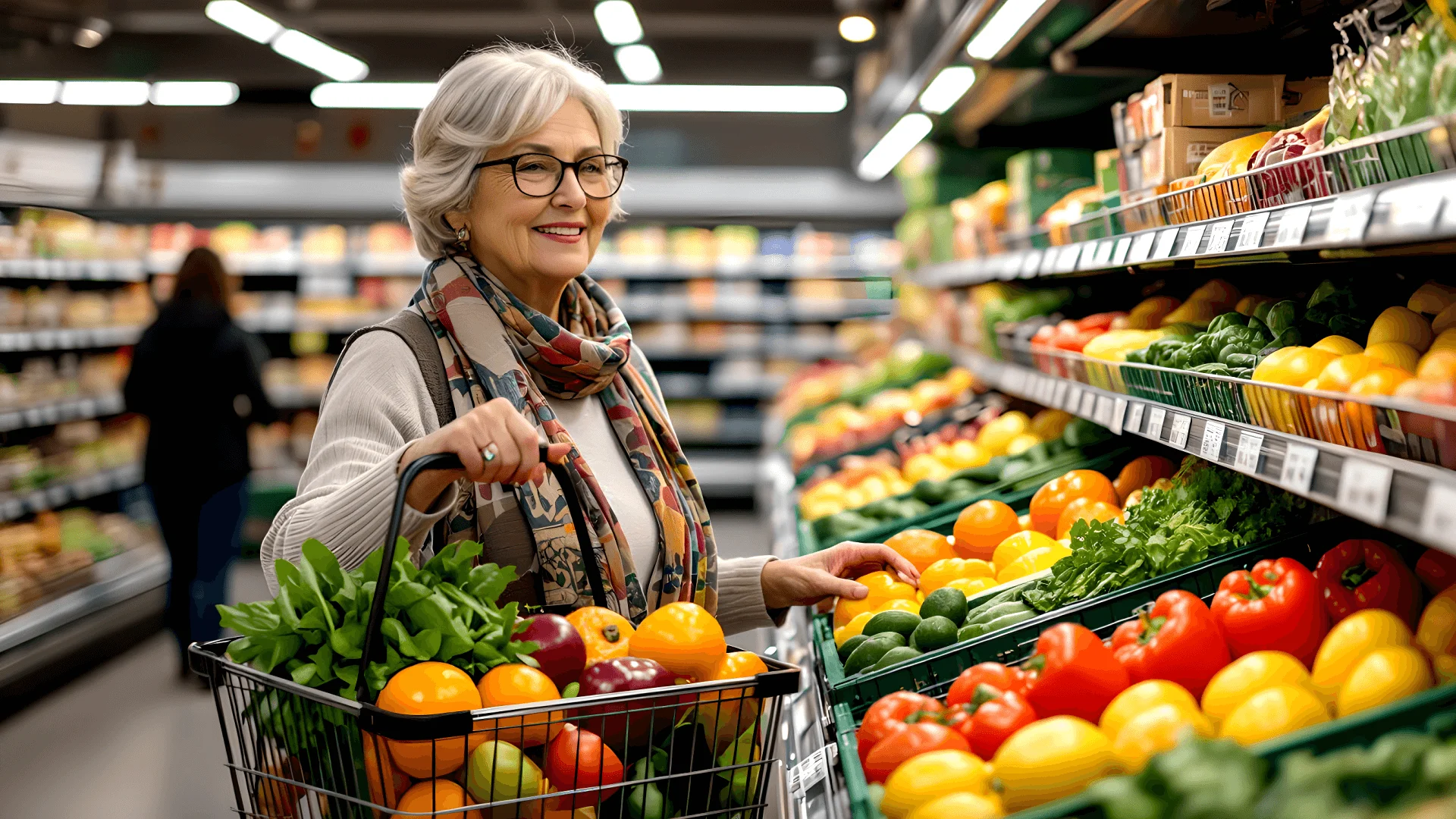
Nearly 5.5 million older adults struggle with food insecurity in America today. Meanwhile, millions of eligible seniors miss out on SNAP benefits that could put nutritious food on their tables every month.
You’ve earned this assistance.
The Supplemental Nutrition Assistance Program isn’t charity—it’s a nutrition assistance program you’ve supported through decades of taxpaying. If rising healthcare costs and fixed income challenges are making grocery shopping a struggle, SNAP benefits could provide the food security you deserve.
This comprehensive guide walks you through everything you need to know about SNAP benefits for seniors. From eligibility requirements to application processes, you’ll discover how medical expenses can significantly boost your benefits and learn about simplified programs designed specifically for older adults.
Understanding SNAP Benefits for Seniors
What is the Supplemental Nutrition Assistance Program?
SNAP provides monthly food assistance through an Electronic Benefits Transfer (EBT) card that works like a debit card at authorized retailers. The Food and Nutrition Service oversees this federal program, but each state agency manages its own application process and benefit distribution.
Here’s what makes SNAP different for seniors:
SNAP recognizes that older adults face unique financial challenges. Rising healthcare costs, fixed income limitations, and prescription drug expenses can severely impact your food budget. That’s why the program includes special provisions specifically designed for household members who are 60 years or older.
Why Many Seniors Qualify but Don’t Apply
Three major misconceptions prevent eligible seniors from accessing SNAP assistance:
“I only qualify for $23 per month” – While some seniors receive the minimum benefit, many qualify for significantly more, especially when medical expense deductions are properly calculated.
“I own my home, so I don’t qualify” – Home ownership doesn’t disqualify you from SNAP benefits. Asset limits for senior households are higher than for younger adults.
“SNAP is for younger families, not seniors” – Actually, SNAP serves over 4 million older adults nationwide, and the program includes special rules that make it easier for seniors to qualify and maintain benefits.
Senior-Specific SNAP Eligibility Requirements
Age and Household Definitions
In SNAP terms, you’re considered elderly if you’re 60 years or older. Your household includes everyone who lives together and purchases and prepares meals together, even if you buy some groceries separately.
Income Guidelines for Seniors (2025)
Unlike younger adults, senior households only need to meet the net income test, not both gross and net income requirements. This makes qualification easier for older adults on fixed incomes.
2025 Net Monthly Income Limits for Senior Households:
| Household Size | Net Monthly Income Limit |
|---|---|
| 1 person | $1,255 |
| 2 people | $1,699 |
| 3 people | $2,143 |
| 4 people | $2,587 |
Source: Center on Budget and Policy Priorities
Your net income is calculated after allowable deductions, including the crucial medical expense deduction we’ll discuss below.
Income that counts toward SNAP eligibility includes:
- Social Security benefits
- Retirement benefits
- Disability payments
- Supplemental Security Income (SSI)
- Pension payments
- Veterans benefits
Asset Limits for Senior Households
Senior households have higher asset thresholds than younger applicants. Households with at least one member aged 60 or older can have up to $4,500 in countable resources, compared to $3,000 for households without seniors or persons with disabilities.
Assets that DON’T count:
- Your home and lot
- Most retirement and pension plans
- Life insurance policies
- One vehicle per household member
- Personal belongings and household goods
Assets that DO count:
- Bank accounts and savings
- Stocks and bonds
- Cash on hand
- Additional vehicles (beyond exemptions)
Medical Expense Deductions: A Game-Changer for Seniors
This is where SNAP benefits can increase dramatically for older adults. If you’re 60 or older or have a disability, you can deduct out-of-pocket medical expenses that exceed $35 per month from your gross income.
There’s no cap on this deduction.
The medical expense deduction has no federal maximum, meaning high medical costs could theoretically offset all your countable income.
Medical expenses you can deduct include:
- Medicare premiums and deductibles
- Prescription drugs and over-the-counter medications (when recommended by a healthcare provider)
- Medical supplies like oxygen, wheelchairs, or diabetic testing supplies
- Transportation to medical appointments (mileage, bus fare, taxi costs)
- Health insurance premiums
- Dental care and vision care costs
- Physical therapy and rehabilitation services
- Home modifications for accessibility (ramps, grab bars)
Example of medical deduction impact: Margaret, 68, receives $1,400 monthly in Social Security. Her medical expenses total $200 monthly ($165 deductible after the $35 threshold). This reduces her countable income to $1,235, potentially increasing her SNAP benefits from $35 to over $150 per month.
Source: AARP Foundation
How to Apply for SNAP Benefits for Seniors
Application Methods
Online Applications: Most states offer online SNAP applications through their state websites. This method allows you to complete the application at your own pace and save your progress.
Phone Applications: Many states accept applications over the phone, which can be helpful if you prefer speaking with someone directly.
In-Person Applications: Visit your local county assistance office if you need face-to-face help with your application.
Mail Applications: Request a paper application to complete and mail back to your local office.
Required Documentation for Seniors
Gather these documents before applying:
Identity and Residency:
- Driver’s license or state ID
- Social Security Number verification
- Proof of address (utility bill, lease agreement)
Income Documentation:
- Social Security benefit statements
- Pension or retirement income statements
- Bank statements for the past 30 days
- Any other income sources
Medical Expense Records:
- Pharmacy statements showing prescription costs
- Medical bills and co-payment receipts
- Health insurance premium statements
- Medicare documents showing deductibles
The Application Process Timeline
- Application Submission: Your benefits begin from the date you submit a complete application
- Interview Scheduling: Most applicants must complete an interview (by phone or in-person)
- Document Review: 30 days maximum for processing
- Benefit Approval: If approved, benefits appear on your SNAP EBT Card within days
Emergency Benefits for Urgent Situations
If you qualify for expedited SNAP benefits, you could receive assistance within 7 days. You may qualify if:
- Your household has less than $100 in liquid resources and gross income under $150 monthly
- Your monthly housing costs exceed your combined income and liquid resources
Special Programs and Benefits for Seniors
Elderly Simplified Application Project (ESAP)
The Elderly Simplified Application Project is a demonstration project available in select states that dramatically streamlines the SNAP process for eligible senior households.
ESAP benefits include:
- 36-month certification period instead of the standard 12 months
- No recertification interview required in most cases
- Reduced verification requirements through data matching
- Simplified reporting – fewer changes need to be reported
ESAP eligibility requirements:
- All household members must be 60 or older and/or disabled
- No earned income allowed
- Must meet regular SNAP eligibility criteria
States currently operating ESAP include: Arizona, California, Connecticut, New York, Virginia, and others. Check your state’s participation status or ask when applying for SNAP benefits.
Senior Farmers Market Nutrition Program
This federal program provides additional benefits specifically for purchasing fresh fruits, vegetables, and herbs at farmers markets. Eligible seniors receive vouchers worth $20-50 annually (amounts vary by state) that can be used at participating markets and roadside stands.
Program benefits:
- Supplements your regular SNAP benefits
- Focuses on fresh, local produce
- Supports community farms and local agriculture
- Often includes nutrition education
Commodity Supplemental Food Program (CSFP)
CSFP provides monthly food boxes containing items like cheese, peanut butter, cereals, and canned goods to supplement the food purchases of seniors 60 and older. This program works alongside SNAP benefits to improve food security for older adults.
Using SNAP Benefits for Seniors Effectively
Where to Use Your SNAP EBT Card
Grocery Stores: All major grocery chains accept SNAP benefits. Look for signs displaying “SNAP,” “EBT,” or “Food Stamps Accepted.”
Online Purchasing: Many retailers now accept SNAP benefits for Online Grocery Delivery, including:
- Amazon Fresh and Whole Foods
- Walmart Grocery
- Target (in select areas)
- Many local and regional chains
Farmers Markets: Many farmers markets now accept SNAP benefits and may offer incentive programs that double your purchasing power for fresh produce.
What You Can and Cannot Buy
SNAP benefits can purchase:
- Fruits and vegetables
- Meat, poultry, and fish
- Dairy products
- Bread and cereals
- Seeds and plants for growing food
- Non-alcoholic beverages
SNAP benefits cannot purchase:
- Alcohol or tobacco
- Vitamins and supplements (unless they have “Nutrition Facts” labels)
- Hot prepared foods
- Non-food items like soap or paper products
Smart Shopping Strategies for Seniors
Plan your monthly benefits: SNAP benefits are loaded onto your card once per month on your assigned payment date. Budget accordingly to make benefits last the entire month.
Look for senior discount days: Many grocery stores offer additional discounts for seniors on specific days, which can stretch your SNAP benefits further.
Consider generic brands: Store brands often provide the same nutrition at lower costs, allowing your benefits to purchase more food.
Common Challenges and Solutions
Transportation Barriers
Home Delivery Services: Services like Uber Eats, DoorDash, and Instacart are increasingly accepting SNAP benefits in select areas. Amazon delivery may be available with Prime membership discounts for seniors.
Community Transportation: Many areas offer senior transportation services to grocery stores. Contact your local Area Agency on Aging for available programs.
Shopping Assistance: Some communities offer volunteer shopping programs where someone can shop for you using your SNAP EBT Card with proper authorization.
Application Difficulties
Getting Help: If you need assistance with your application, contact:
- Your local Area Agency on Aging
- Senior centers often have staff trained in benefit applications
- Legal aid organizations provide free assistance
- AARP Foundation and Food Research and Action Center offer resources and guidance
Language Support: Federal civil rights laws require that SNAP offices provide translation services and materials in multiple languages when needed.
Communication Assistance: If you have hearing or vision difficulties, request accommodations during the application process. Many states offer TTY services and large-print materials.
Other Food Assistance Programs for Seniors
Meals on Wheels
This program delivers nutritious meals directly to seniors’ homes and often serves as a crucial supplement to SNAP benefits. Contact your local Meals on Wheels program to learn about availability and costs in your area.
Congregate Meal Programs
Many senior centers offer low-cost or free meals in group settings. These programs provide both nutrition and social interaction, complementing your SNAP benefits with prepared meals.
Local Food Banks and Pantries
Food banks provide emergency food assistance and often have special programs for seniors. Many food banks coordinate with local agencies to help seniors apply for SNAP benefits as well.
Finding local resources: Contact 211 (dial 2-1-1) for information about food assistance programs in your area.
Frequently Asked Questions
Will SNAP benefits affect my Medicare or Social Security?
No, receiving SNAP benefits will not reduce your Social Security payments or affect your Medicare coverage. However, SNAP benefits may make you automatically eligible for other assistance programs like Low Income Home Energy Assistance Program (LIHEAP).
Can I get SNAP if I own my home?
Yes, home ownership does not disqualify you from SNAP benefits. Your home and the lot it sits on are not counted as resources for SNAP eligibility.
What if I’m denied benefits?
You have the right to request a fair hearing if you disagree with the decision. You can also reapply if your circumstances change or if you believe errors were made in your initial application.
How often do I need to recertify?
Most senior households recertify every 12 months, though some states offer longer certification periods. If you’re eligible for ESAP, you may only need to recertify every 36 months.
Can my adult children help with the application?
Yes, you can designate an authorized representative to help with your application and ongoing communication with the SNAP office. This person can be a family member, friend, or caseworker.
Your Next Steps to Food Security
SNAP benefits represent an earned right, not charity. After decades of contributing to the tax system that funds these programs, you deserve access to adequate nutrition during your retirement years.
Here’s how to get started:
- Check your potential eligibility using your state’s online screening tool
- Gather necessary documentation, especially medical expense records
- Contact your local SNAP office or apply online through your state’s website
- Ask about ESAP eligibility if available in your state
- Don’t forget the medical expense deduction – this could significantly increase your benefits
Remember: Even if you were previously denied or only qualified for small benefits, changes in healthcare costs, income, or program rules mean you might now qualify for substantial assistance.
Your local Area Agency on Aging, senior center, or county assistance office can provide free help with your application. You don’t have to navigate this process alone.
For immediate assistance, contact your state’s SNAP hotline or visit your local benefits enrollment center. Many seniors discover they qualify for far more assistance than they initially expected.
Take the first step toward better food security today. You’ve earned this support, and help is available to guide you through the process.
This article contains information current as of 2025. SNAP benefits and eligibility requirements are updated annually. Always verify current requirements with your local SNAP office or state agency.

Mary Thompson a 65-year-old journalist, enjoys writing for SeniorsDeal.com. With years of experience in content creation, she shares valuable insights for seniors. In her free time, Mary loves gardening, reading mystery novels, and exploring new travel destinations. She’s passionate about helping fellow seniors find the best deals and products for their retirement.